
Advertisement
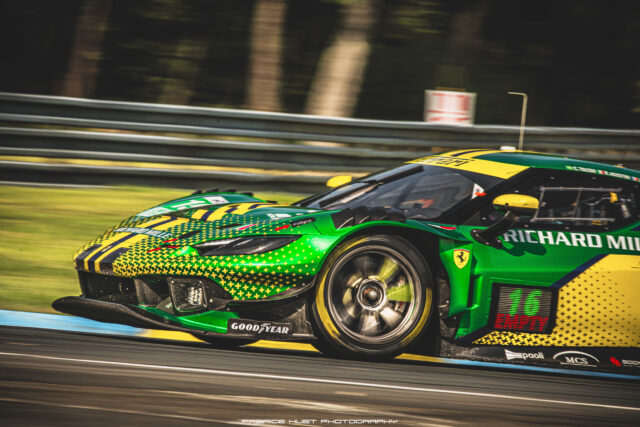
24 Hours of Le Mans, 2026 Edition
Words and photos by Fabrice Huet
Advertisement


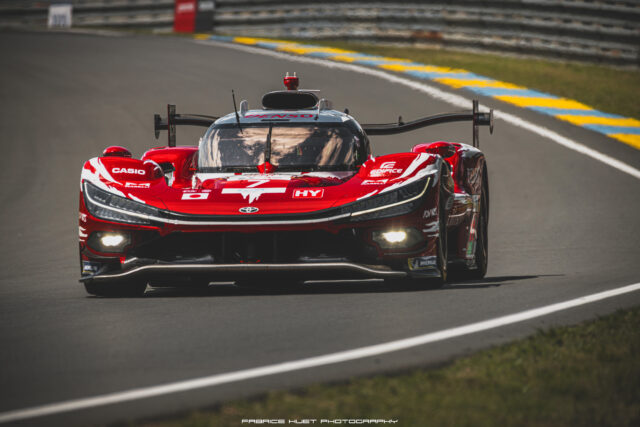
The 94th running of the 24 Hours of Le Mans, held on June 13–14, 2026 at the Circuit de la Sarthe, delivered one of the most closely contested races of the Hypercar era. In front of a crowd, that over the race week swelled to more than 350,000 fans, the 62-car field battled through a full day and night of racing in an event defined by constant lead changes, razor-thin margins, and suspense that lasted until the final hours.
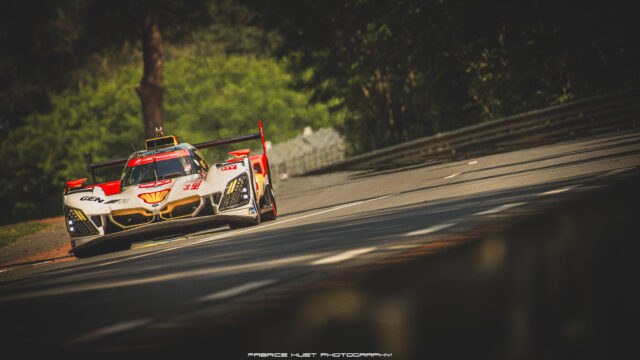
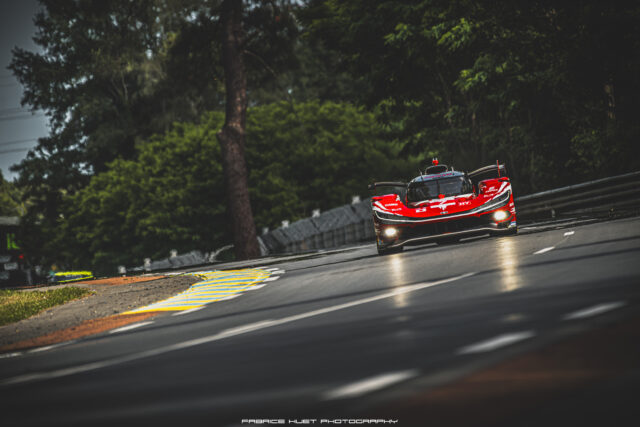
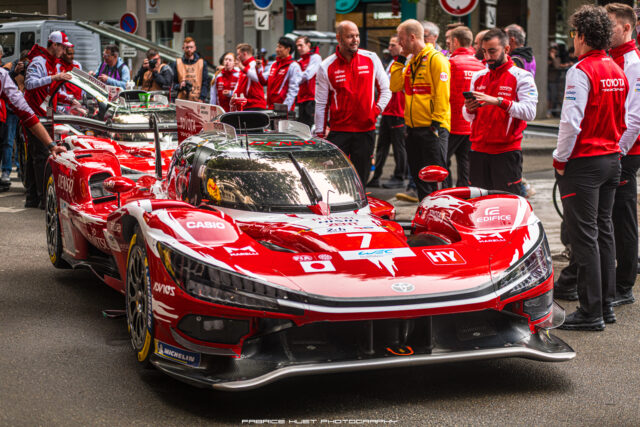 The race got underway at 4pm on Saturday, with Mark Cavendish serving as the official starter. From the opening laps, several manufacturers showed they had the pace to fight for overall victory. Cadillac, Toyota, Ferrari, and BMW all spent time at the front, trading positions through pit-stop strategy, traffic management, and safety car deployments. The competition was so intense that the Automobile Club de l’Ouest (ACO) recorded 48 lead changes during the race, highlighting just how competitive this edition was.
As always, the Le Mans night proved decisive as all teams had to manage driver fatigue, changing track conditions, and the delicate balance between preserving machinery and maintaining race-winning speed. Unlike some previous editions dominated by a single manufacturer, no team was able to establish a commanding advantage. The leading contenders remained separated by only a few seconds for much of the race, keeping the outcome uncertain deep into Sunday.
With four hours remaining, the fight for victory was still wide open. After twenty hours of racing, the No. 12 Cadillac driven by Norman Nato remained under pressure from two Toyota challengers, while five Hypercars were covered by less than forty seconds. Such a small gap after nearly a full day of competition underscored the extraordinary level of performance across the top teams and confirmed that the race could still swing in any direction!
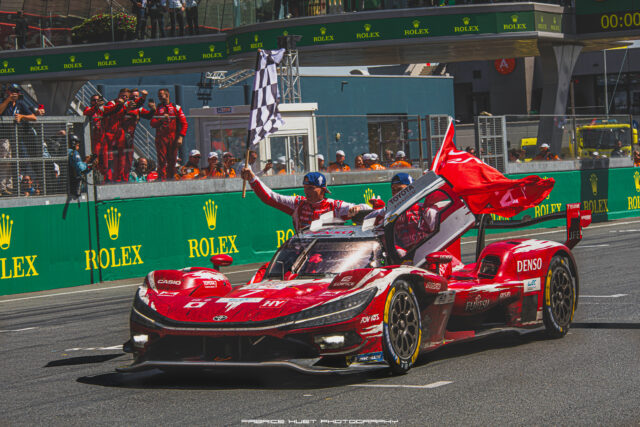
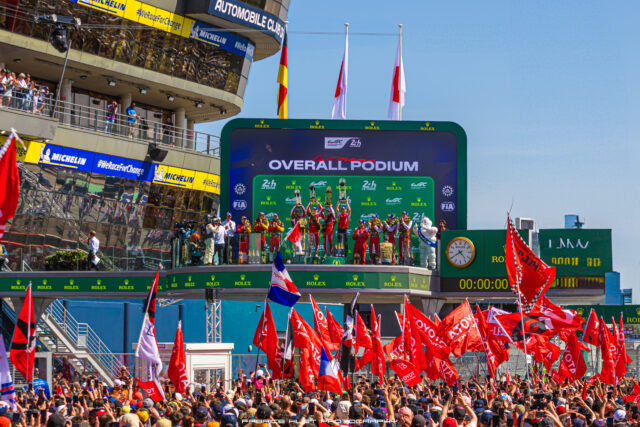
In the closing stages, Toyota gradually gained the upper hand through flawless execution. The Japanese manufacturer avoided major mistakes, optimized its pit strategy, and maintained a relentless pace while its rivals continued to push. After twenty-four demanding hours, Toyota Racing (the Gazoo moniker now dropped) emerged victorious, adding another prestigious overall win to its already impressive Le Mans record.
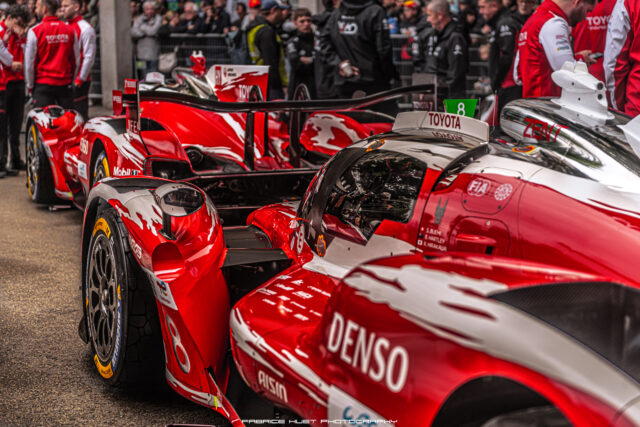
The winning car covered approximately 5,190 kilometers during the race, reflecting the remarkable speed maintained by the leaders throughout the event. The achievement was made even more impressive by the depth of competition in the Hypercar class, where multiple manufacturers entered the weekend with realistic hopes of claiming overall honors.
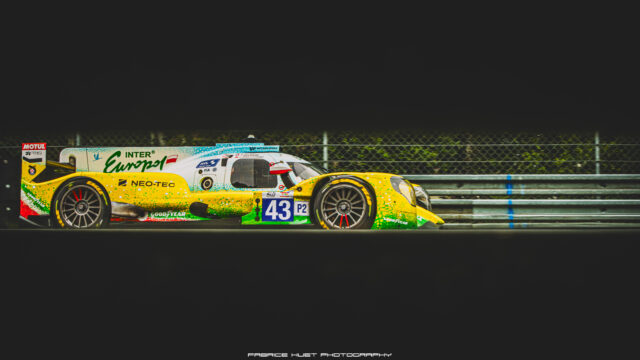
In the LMP2 category, Inter Europol Competition delivered a standout performance. Following its class victory in 2025, the Polish team successfully defended its title in 2026 and achieved a historic one-two finish with its No. 43 and No. 343 Oreca 07-Gibson entries. Such dominance is particularly noteworthy in a category known for its competitiveness and closely matched machinery.
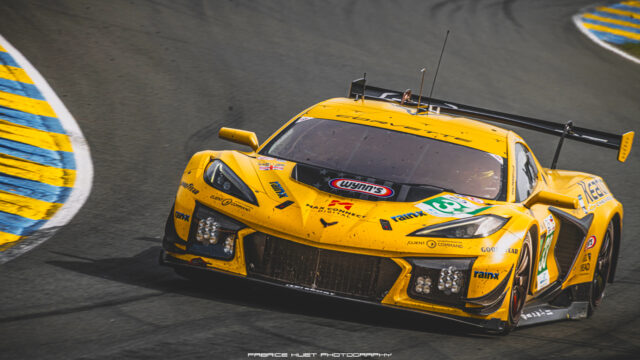
In the LMGT3 class, TF Sport claimed victory with its No. 33 Corvette Z06 GT3.R, driven by Ben Keating, Jonny Edgar, and Nicky Catsburg. The trio prevailed after a fierce battle against competitors from Lexus and Aston Martin, securing Corvette’s tenth class victory at Le Mans. Consistency, strong pace throughout the night, and flawless execution over the full 24-hour distance proved decisive in securing the win.
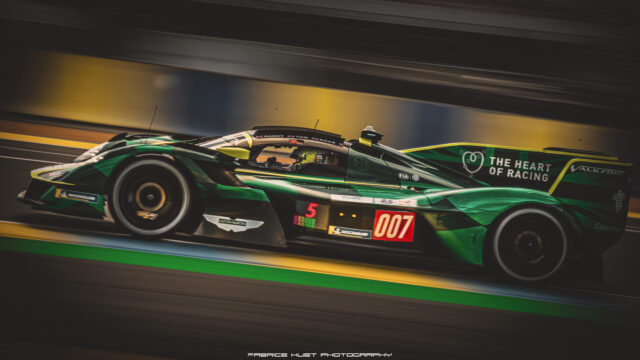
Ultimately, the 2026 24 Hours of Le Mans will be remembered as a classic endurance race. A world-class field, multiple manufacturers capable of winning, minimal gaps between the leaders, and a victory built on consistency, reliability, and strategic excellence combined to create a memorable edition of motorsport’s most famous endurance event. The race once again showcased everything that has made the 24 Hours of Le Mans the pinnacle of endurance racing for more than a century.
Advertisement