
Advertisement


The Le Mans Drivers’ Parade: Thirty Years of Tradition
Words and photos by Fabrice Huet
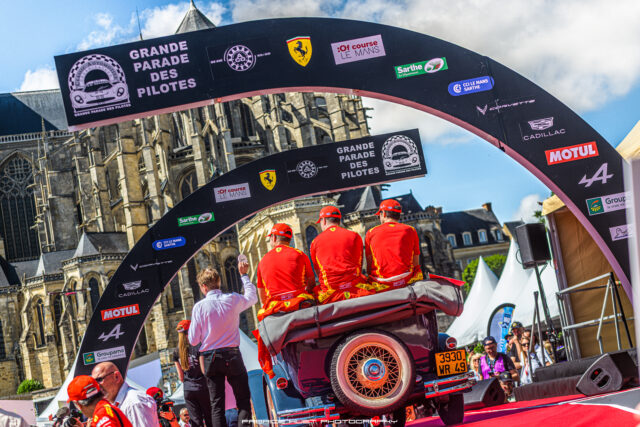
The Drivers’ Parade has become the must-see event of Le Mans week.
The Birth of an Idea That Became a Symbol of Le Mans
Before engines roar to life on the 13.626-kilometer Circuit de la Sarthe, another event captures the spirit of Le Mans: the Drivers’ Parade. Today, this popular celebration is an essential part of race week and has become one of the most beloved traditions associated with Le Mans week.
The event was created in 1995 through the efforts of Philippe Pasteau and the Classic Automotive Association. Their vision was both simple and ambitious: to give local residents, racing enthusiasts, and visitors an opportunity to meet the heroes of endurance racing in a festive and accessible setting.
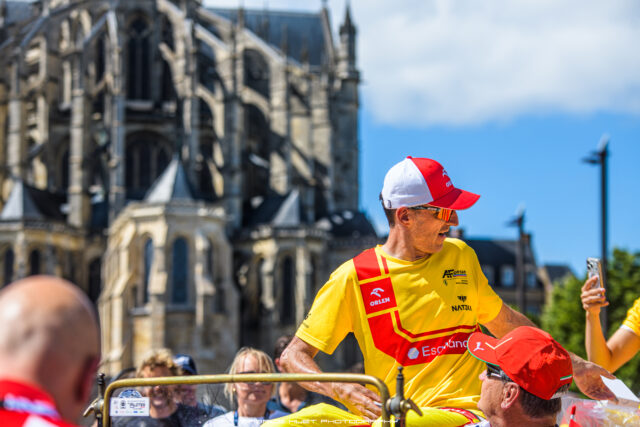
At a time when drivers were often distant figures hidden behind team garages and paddock barriers, the parade created a direct connection between competitors and fans. It transformed the city center into a giant open-air celebration where motorsport enthusiasts could interact with the personalities who would soon battle for victory in the world’s most famous endurance race.
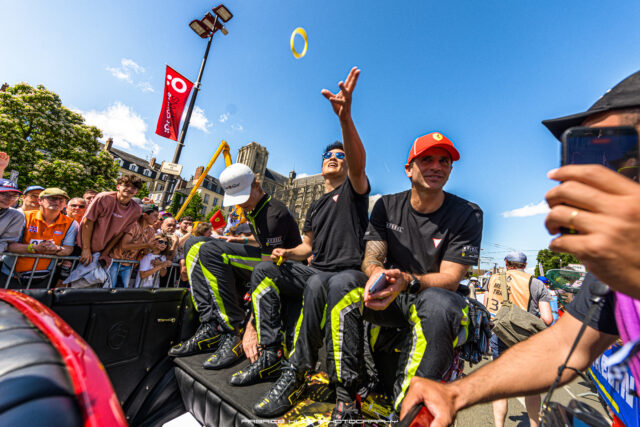
Since its inception, the Drivers’ Parade has continued to grow in scale and popularity. The 2026 edition marks the event’s 31st anniversary. Every year, tens of thousands of spectators line the streets of Le Mans to witness the procession, making it one of the largest public gatherings of race week.
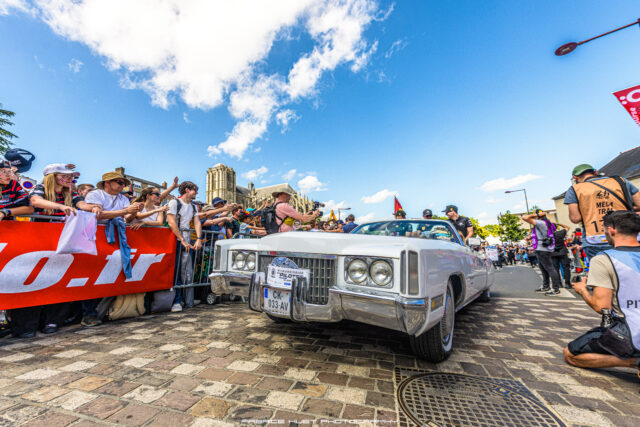
Beyond its sporting significance, the parade has become a showcase for automotive heritage. Classic cars, rare vehicles, marching bands, entertainers, and local organizations all contribute to an atmosphere that combines racing passion with community celebration.
Over the years, the event has gained international recognition. Shared across television broadcasts, digital platforms, and social media, the Drivers’ Parade now serves as a global ambassador for the 24 Hours of Le Mans and highlights the unique relationship between the race and the city that hosts it.
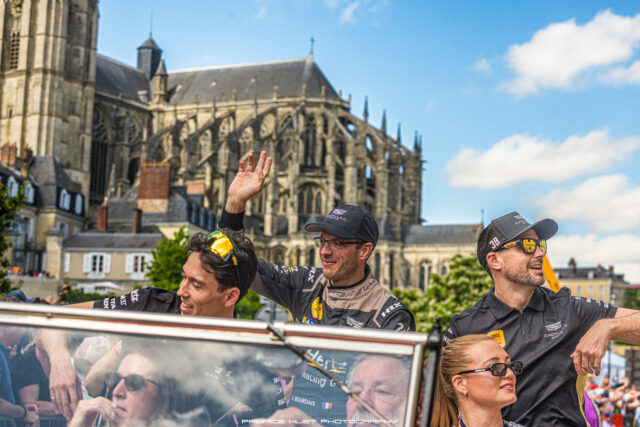
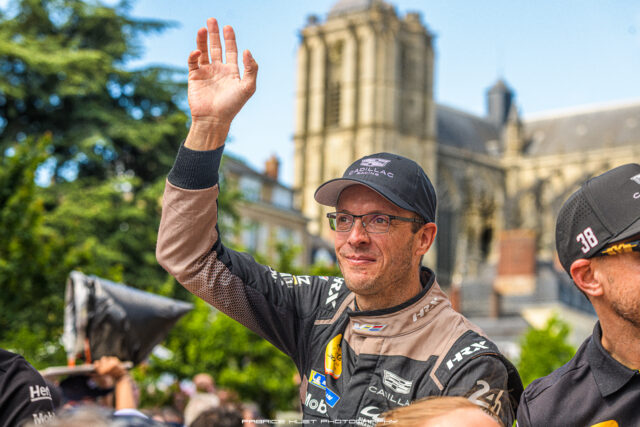
Le Mans Celebrates the 2026 Edition
On Friday, June 12, 2026, just one day before the start of the 94th running of the 24 Hours of Le Mans, the city once again embraced its racing heritage.
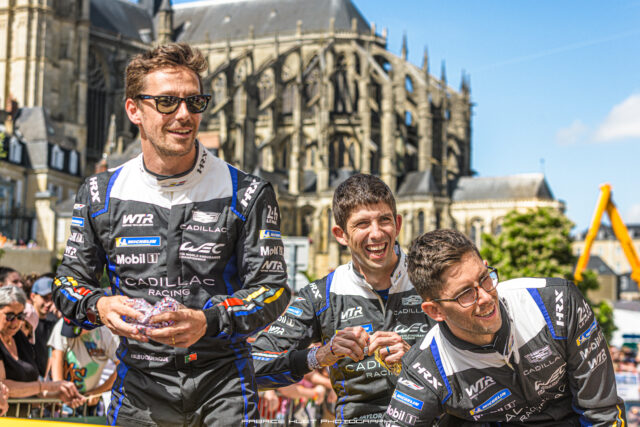
From early afternoon, thousands of fans began gathering throughout the downtown area. The Place des Jacobins, traditionally the focal point of the event, quickly filled with spectators eager to secure the best viewing locations. Flags representing manufacturers, teams, and nations fluttered above the crowd as excitement steadily built. Cafés, restaurants, and local businesses joined the celebration, creating a festive atmosphere throughout the historic city center.
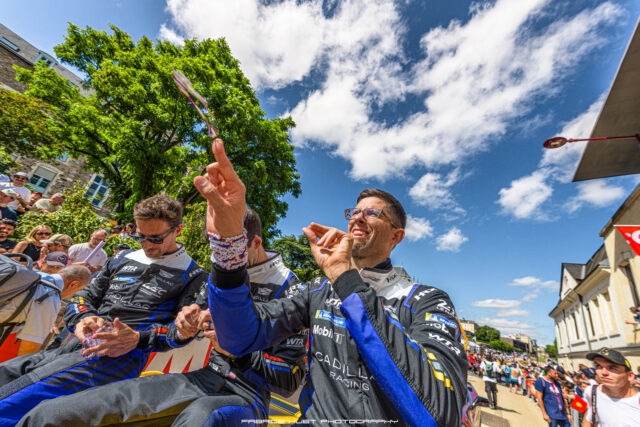
By 4:00 p.m., the official start of the parade, Le Mans had fully transformed into a motorsport festival. Streets normally occupied by daily traffic became a stage dedicated to endurance racing and the people who make it possible. For many visitors, this unique event serves as the perfect bridge between the anticipation of race day and the excitement already building throughout the city.
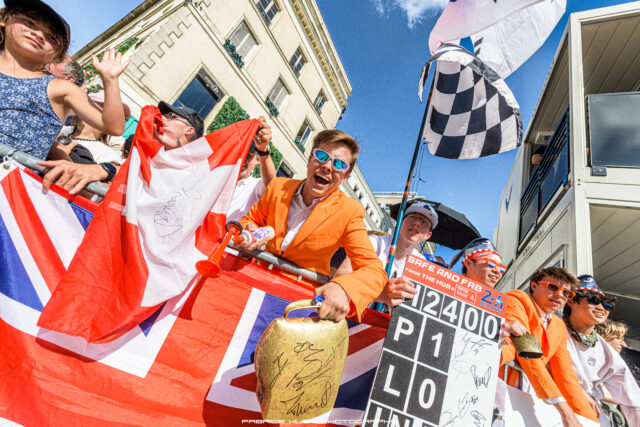
Drivers Take Center Stage
The most anticipated moment arrives when the competing drivers take their places aboard classic cars, luxury automobiles, and specialty vehicles that carry them through the city streets.
…the drivers’ Parade has become the popular heart and soul of the 24 Hours of Le Mans—a celebration where the city, the race, and its fans become one.
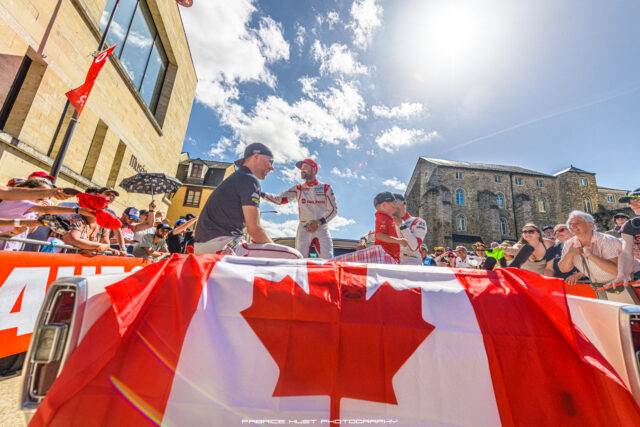
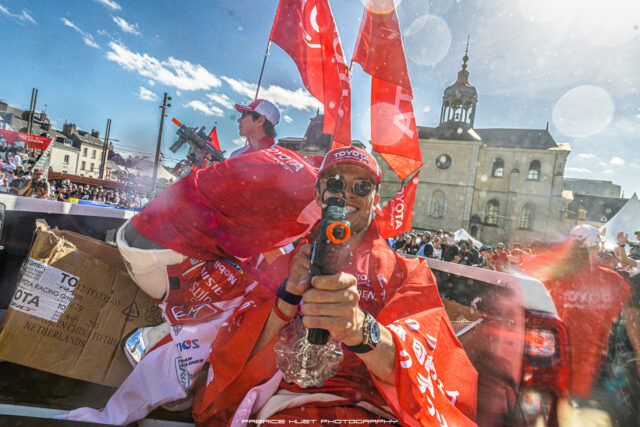
Unlike the highly structured environment of the paddock, the parade offers a relaxed and informal setting. Drivers wave to spectators, pose for photographs, sign autographs, and interact directly with the fans who have traveled from around the world to witness the event. Veteran champions, former race winners, rising stars, and first-time competitors all share the spotlight. The result is a unique celebration where motorsport legends and future stars stand side by side before the race begins.
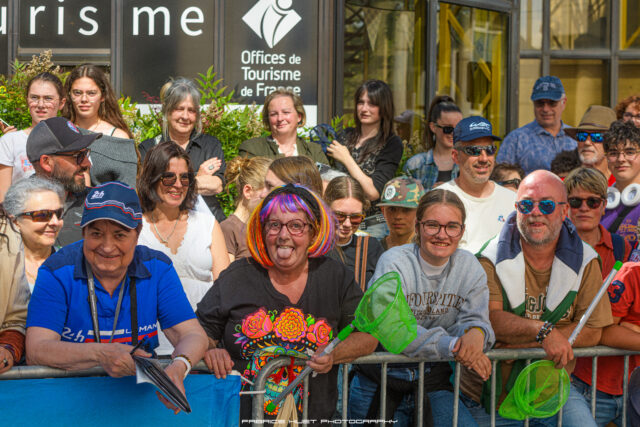
Throughout the route, fans seize every opportunity to get closer to their favorite drivers. For many attendees, these personal interactions become some of the most memorable moments of the entire week. The parade highlights one of the defining characteristics of endurance racing: accessibility. While competition on the track may be fierce, the connection between drivers and fans remains remarkably strong.
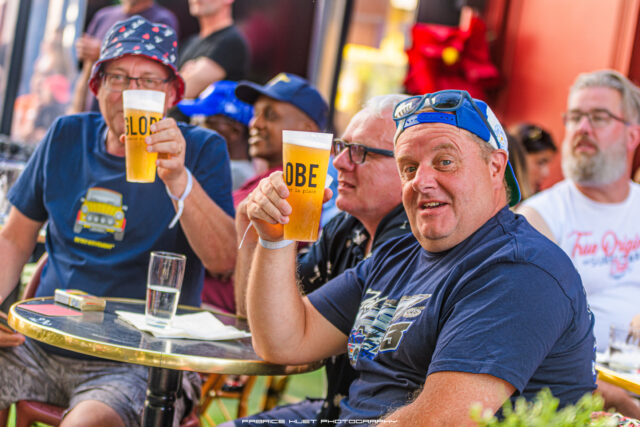
An Open-Air Automotive Museum
The Drivers Parade is not solely about the competitors. It is also a tribute to the rich history of the automobile and the legacy of endurance racing. Historic vehicles occupy a prominent place within the procession. Cars representing different eras of the 24 Hours of Le Mans share the streets with modern supercars and meticulously restored classics. This remarkable variety creates a moving automotive museum that allows spectators to experience decades of racing history in a single afternoon.
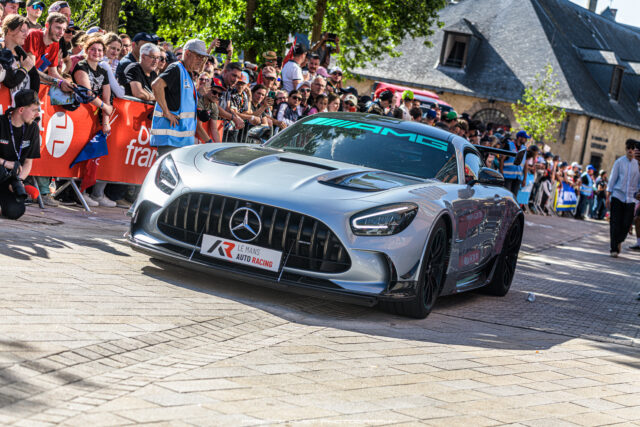
Every vehicle tells a story. Some recall legendary victories, while others represent important milestones in automotive engineering and design. Together, they illustrate the evolution of motorsport and the enduring fascination with speed, innovation, and performance. Collectors, enthusiasts, and automotive clubs contribute significantly to the event, proudly presenting vehicles that might otherwise remain hidden in private collections. For automotive enthusiasts, the parade is as much about the cars as it is about the drivers.
The Unique Atmosphere That Defines Le Mans
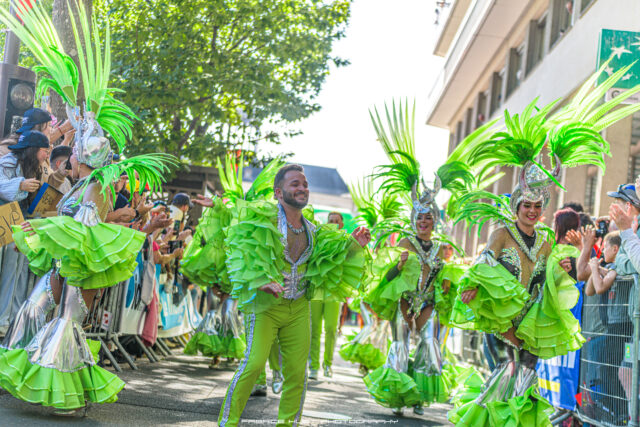
One of the secrets behind the Drivers’ Parade’s lasting success is its atmosphere. Live music, marching bands, street performers, and local entertainment create a festive environment throughout the city center. The event attracts a remarkably diverse audience, from lifelong racing fans to families experiencing Le Mans for the first time. Children wave flags and collect autographs while longtime enthusiasts share stories of previous races and memorable moments from decades past.
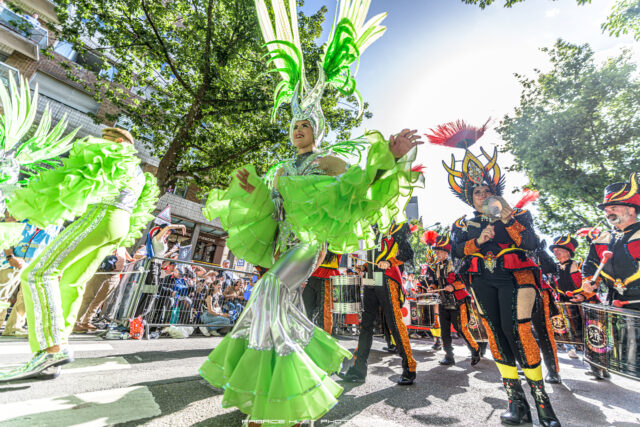
The international character of the crowd is particularly striking. Visitors from across Europe, North America, Asia, South America, and beyond gather to celebrate their shared passion for endurance racing. This unique blend of cultures, generations, and experiences contributes to the special character of the event. It reinforces the idea that the 24 Hours of Le Mans is more than a race—it is a global community united by a common love of motorsport. Throughout the afternoon, the city becomes a place where sporting competition, local heritage, and international friendship come together in celebration.
A Tradition Looking Toward the Future
More than three decades after its creation, the Drivers’ Parade remains one of the defining traditions of Le Mans race week. As endurance racing enters a new era marked by increased manufacturer participation, technological innovation, and unprecedented global interest, the parade continues to fulfill its original mission: bringing drivers and fans together.
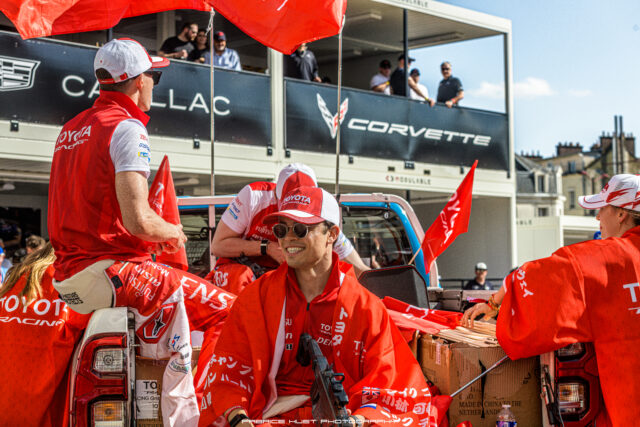
The 2026 edition once again demonstrated why the event remains so popular. On the eve of one of the world’s greatest races, it provided an opportunity for competitors and spectators to share a moment of connection before the intensity of competition takes over.
The parade represents the human side of endurance racing. It reminds everyone that behind every race car is a team of passionate individuals and behind every grandstand is a community of dedicated supporters. More than a simple procession, the Le Mans Drivers’ Parade has become the popular heart and soul of the 24 Hours of Le Mans—a celebration where the city, the race, and its fans become one.
Advertisement